


Post-Hair Implantation Recovery: Alleviating Discomfort
October 5, 2023
Lifestyle Changes for Enhanced Hair Growth and Health
November 27, 2023Postpartum Hair Loss: Managing Changes After Pregnancy
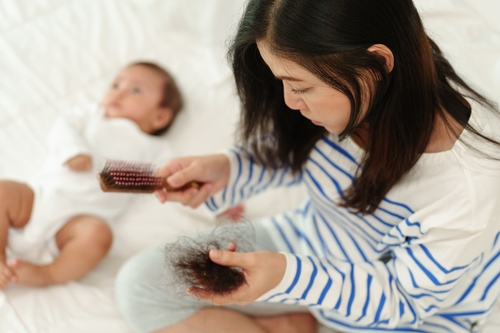
Postpartum Hair Loss Managing Changes After Pregnancy
Postpartum Hair Loss: Managing Changes After Pregnancy. In the journey of motherhood, joy, and challenges go hand in hand.
While the arrival of a new member in the family brings immense happiness, it can also bring about some unexpected changes in a woman’s body, one of which is postpartum hair loss.
In this comprehensive guide, we will delve into the details of this common phenomenon, discussing its causes, extent, emotional impact, diagnosis, treatment options, preventative measures, and daily care tips.
By the end, you’ll thoroughly understand postpartum hair loss and how to manage it effectively. Read on!
Why Does Postpartum Hair Loss Happen?
Hormonal Fluctuations
Postpartum hair loss is primarily triggered by hormonal fluctuations that occur after childbirth.
During pregnancy, elevated levels of hormones like estrogen prolong the hair growth phase, resulting in thicker, fuller hair.
However, after delivery, these hormone levels drop, causing hair to transition into the shedding phase.
Normal Hair Growth Cycle and Changes During Pregnancy
To comprehend postpartum hair loss, it’s crucial to understand the normal hair growth cycle. Hair goes through growth, transition, and shedding phases.
Pregnancy disrupts this cycle, keeping more hair in the growth phase and reducing shedding. The subsequent shift back to the regular cycle post-delivery leads to noticeable hair loss.
Stress and Lifestyle Factors in the Postpartum Period
Stress and lifestyle factors can exacerbate postpartum hair loss. Lack of sleep, a new routine, and the demands of caring for a newborn can contribute to stress, further accelerating hair shedding. Proper self-care is essential during this period.
The Scope and Extent of Postpartum Hair Loss

How Common Is Postpartum Hair Loss?
Postpartum hair loss is widespread, affecting the majority of new mothers. It’s a natural part of the post-pregnancy journey, and understanding its prevalence can help ease concerns.
Severity: What Can You Expect?
The severity of postpartum hair loss varies from person to person. Some women may experience mild thinning, while others might notice more significant hair loss. It’s essential to know what to expect to manage your expectations.
Timeline: When Does It Start and How Long Does It Last?
Postpartum hair loss typically begins around the third month after childbirth and lasts several months. However, the duration varies, and some women may experience it for up to a year.
The Emotional Toll of Postpartum Hair Loss
Emotional Impact and Body Image
Postpartum hair loss can take a toll on a woman’s emotional well-being. The changes in appearance may lead to lowered self-esteem and body image issues. It’s essential to address these feelings and seek support when needed.
Psychological Repercussions
The emotional impact of hair loss can extend to psychological repercussions, including anxiety and depression. Open communication and professional guidance are crucial for mental health during this phase.
Coping Mechanisms and Support Systems
Coping with postpartum hair loss involves seeking support from loved ones, sharing experiences with other mothers, and considering professional help if the emotional toll becomes overwhelming.
Diagnosing Postpartum Hair Loss

Consultation with Healthcare Providers
If you suspect postpartum hair loss, consult a healthcare provider or dermatologist. They can thoroughly examine and offer personalized recommendations based on your situation.
Tests and Examinations
Healthcare providers may conduct tests to rule out underlying conditions contributing to hair loss. These tests help ensure an accurate diagnosis.
Differentiating Postpartum Hair Loss from Other Types of Hair Loss
Postpartum hair loss can sometimes be mistaken for other forms of hair loss. A professional diagnosis is essential to distinguish it from alopecia or telogen effluvium.
Treatment Options
Over-the-Counter Products
Several over-the-counter products are available to address postpartum hair loss. These often include shampoos, conditioners, and serums designed to promote hair growth.
Prescription Treatments
In some cases, healthcare providers may prescribe medications to combat postpartum hair loss. These treatments are typically more potent and may be recommended for severe cases.
Natural Remedies
Many women explore natural remedies to manage postpartum hair loss. These can include dietary supplements, essential oils, and herbal treatments. While they may not work for everyone, some find them beneficial.
Professional Treatments Like Laser Therapy
Laser therapy is a non-invasive option that stimulates hair follicles and promotes growth. It’s often offered in dermatology clinics and can be a valuable treatment choice.
Preventative Measures

Nutrition and Dietary Adjustments
Maintaining a balanced diet with essential vitamins and nutrients is crucial for hair health. Consider consulting a nutritionist for guidance on a postpartum diet that supports hair growth.
Stress Management Techniques
Effective stress management is essential during the postpartum period. Practices like meditation, yoga, and mindfulness can help reduce stress levels, benefiting both your mental well-being and hair health.
Physical Activity and Its Impact
Regular physical activity improves blood circulation, which can support hair follicles. Incorporate exercise into your routine to promote overall health and hair growth.
Tips for Daily Hair Care Postpartum
Gentle Hair Handling Techniques
Be gentle when handling your hair, especially when it’s fragile. Avoid excessive brushing or tight hairstyles that can stress the hair shaft.
Hair Products to Avoid
Some hair products contain harsh chemicals that can exacerbate hair loss. Opt for gentle, sulfate-free products that promote scalp health.
Benefits of a Haircut or New Hairstyle
A shorter haircut or a new hairstyle can create the illusion of thicker hair. Discuss styling options with your hairstylist to find a look that boosts your confidence.
Myths and Misconceptions
- “It’s Permanent and Irreversible”
Postpartum hair loss is temporary and typically resolves on its own. With proper care and treatment, hair regrowth occurs.
- “Only Certain People Are Susceptible”
Postpartum hair loss can affect any woman who has given birth. It is not limited to a specific group.
- “You Can Prevent It Entirely During Pregnancy”
While some measures can minimize postpartum hair loss, it is a natural part of the post-pregnancy journey and cannot be entirely prevented.
FAQ (Frequently Asked Questions)
Is Postpartum Hair Loss Permanent?
No, postpartum hair loss is not permanent. It is a temporary condition that resolves with time and proper care.
When Should I Consult a Healthcare Provider?
If you experience severe or prolonged hair loss, consult a healthcare provider or dermatologist for a thorough evaluation and personalized guidance.
Can I Use Hair Color and Other Chemical Treatments?
Using hair color and other chemical treatments is generally safe during postpartum hair loss, but it’s advisable to perform a patch test and consult your hairstylist for recommendations.
What Vitamins or Supplements Are Helpful for Postpartum Hair Loss?
Vitamins like biotin, iron, and folic acid can support hair health postpartum. Please consult with a healthcare provider before starting any new supplements.
How Can I Distinguish Postpartum Hair Loss from Other Types of Hair Loss?
A healthcare provider can differentiate postpartum hair loss from other forms through a physical examination and, if necessary, additional tests.
Postpartum Hair Loss: Managing Changes After Pregnancy – Conclusion

In conclusion, postpartum hair loss is a common and temporary phase in the journey of motherhood. While it may be disheartening, it is manageable with the right approach.
Seek support from healthcare providers, maintain a healthy lifestyle, and practice self-care. Remember that postpartum hair loss is just one part of the beautiful and transformative experience of becoming a mother.
Embrace it confidently and know your hair will regain its luster in time! By following these tips and recommendations, you can navigate postpartum hair loss gracefully and efficiently, focusing on the joys of motherhood while ensuring your hair remains healthy and vibrant.
Are you seeking professional and reliable hair implant services in Singapore? Contact us today!


